How to Choose the Best Pre-K for Your Little One
Choosing the right pre-kindergarten (Pre-K) program for your child is a significant decision that will influence their early educational experience. With various education philosophies, teaching styles, and facilities available, navigating the options can feel overwhelming. The early years are so crucial for a child’s development, and Pre-K is often the first formal step into a structured learning environment. As a parent, your goal is to find a nurturing, engaging, and educational setting that prepares your child for future academic success. Let’s explore some key factors to consider in order to choose the best Pre-K for your little one.
First and foremost, consider the educational philosophy of the Pre-K program. Different programs adhere to various teaching methods, such as Montessori, Reggio Emilia, or traditional approaches.
Montessori, for example, emphasizes child-led learning where students explore subjects at their own pace and follow their interests. Alternatively, the Reggio Emilia approach focuses on collaborative projects and community involvement. It’s essential to align your child’s learning style with the philosophy of the Pre-K. Visit multiple schools and ask about their classrooms, curricula, and overall teaching strategies to gauge the best fit for your child.
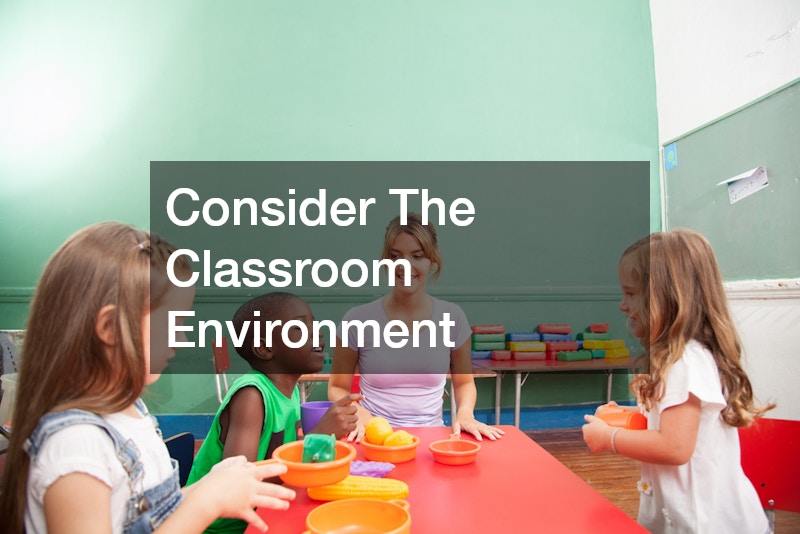
Another crucial aspect to consider is the classroom environment. Children thrive in settings that are safe, inviting, and conducive to learning. A well-organized classroom will have a variety of learning centers, including areas for art, reading, and cooperative play. Observing a class in action can provide insight into how engaging the environment is for the children. Are students actively participating, exploring, and playing? Additionally, safety measures such as childproofed furnishings, secure entry points, and cleanliness should also be prioritized. You want your child to feel safe and happy in their learning space.
The credentials and experiences of the teaching staff are also paramount. A good Pre-K program should employ qualified teachers who have a background in early childhood education. Inquire about the teachers’ educational backgrounds, certifications, and ongoing professional development. Experienced teachers are likely to have a wealth of strategies for managing classroom dynamics and addressing the varied needs of young learners. They should also foster positive relationships with their students, as a nurturing approach can greatly enhance learning outcomes. An engaged teacher can inspire curiosity and a love for learning in your child.
Additionally, consider the class size and student-to-teacher ratio. Smaller class sizes often mean more individualized attention and better opportunities for social interaction among peers. A lower student-to-teacher ratio allows teachers to focus on each child’s unique strengths and challenges, facilitating a tailored learning experience. Research shows that children are more likely to thrive in environments where they receive one-on-one attention. Be sure to ask potential schools about their policies regarding class sizes and how they manage group dynamics.
Finally, don’t overlook the importance of parent involvement and community when choosing a Pre-K program. A good Pre-K should encourage family engagement and offer opportunities for parents to be an active part of their child’s education. This could include volunteer opportunities, parent-teacher conferences, or family events. Additionally, evaluate how the school communicates with families and involves them in the learning process. Building a strong school-home partnership can enhance your child’s educational experience and provides ongoing support for both you and your little one.
In conclusion, selecting the best Pre-K for your child is a thoughtful process that demands careful consideration of various factors. From understanding educational philosophies to evaluating the classroom environment, teachers’ qualifications, and community involvement, each aspect plays a crucial role in your child’s development. Take the time to visit multiple schools, ask questions, and trust your instincts as a parent. By doing so, you can ensure that your child will thrive in a nurturing, engaging, and supportive Pre-K environment that lays the groundwork for their future learning adventures.