
Top Extracurricular Activities for Kids Offered in Private School Programs
- Extracurricular activities support holistic development – They nurture physical, intellectual, social, and emotional growth beyond academics.
- Sports build teamwork and discipline – Activities like soccer, swimming, and gymnastics teach cooperation, resilience, and physical fitness.
- Arts and creative programs foster self-expression – Music, theater, dance, and visual arts enhance creativity, confidence, and communication skills.
- STEM and leadership activities develop critical skills – Robotics, coding, debate, and student government encourage problem-solving, leadership, and analytical thinking.
- Early exposure and exploration matter – Preschoolers and younger children benefit from age-appropriate programs that spark interests and build foundational skills.
- Parental guidance and balance are key – Supporting children’s interests while avoiding overload ensures meaningful participation and long-term benefits.
Choosing the right private school involves more than just academics. Parents often look for programs that offer a variety of extracurricular activities for kids—opportunities that nurture creativity, build skills, and develop social connections. In private school settings, these programs often go beyond what’s available in public schools, giving children the chance to explore diverse interests and discover new talents.
In this article, we’ll dive deep into the top extracurricular activities for kids offered in private school programs, why they matter, and how they can shape a child’s overall development.
Why Are Extracurricular Activities Important for Kids?
You might wonder, “Do extracurricular activities really make a difference?” The answer is a resounding yes. These activities are more than just after-school fun—they play a crucial role in a child’s growth.
Here’s why:
- Skill Development: Activities like sports, music, or coding teach kids essential skills that aren’t always covered in the classroom.
- Social Interaction: Kids learn teamwork, cooperation, and communication by working with peers in group settings.
- Confidence Building: Mastering a new skill or performing in front of an audience helps children develop self-esteem.
- Time Management: Balancing schoolwork and activities teaches kids how to prioritize responsibilities.
- College Readiness: Strong extracurricular involvement can strengthen applications for competitive colleges later on.
Private schools often provide more tailored and diverse options, giving children the chance to explore interests that may not be available elsewhere.
What Are the Most Popular Sports for Kids in Private Schools?
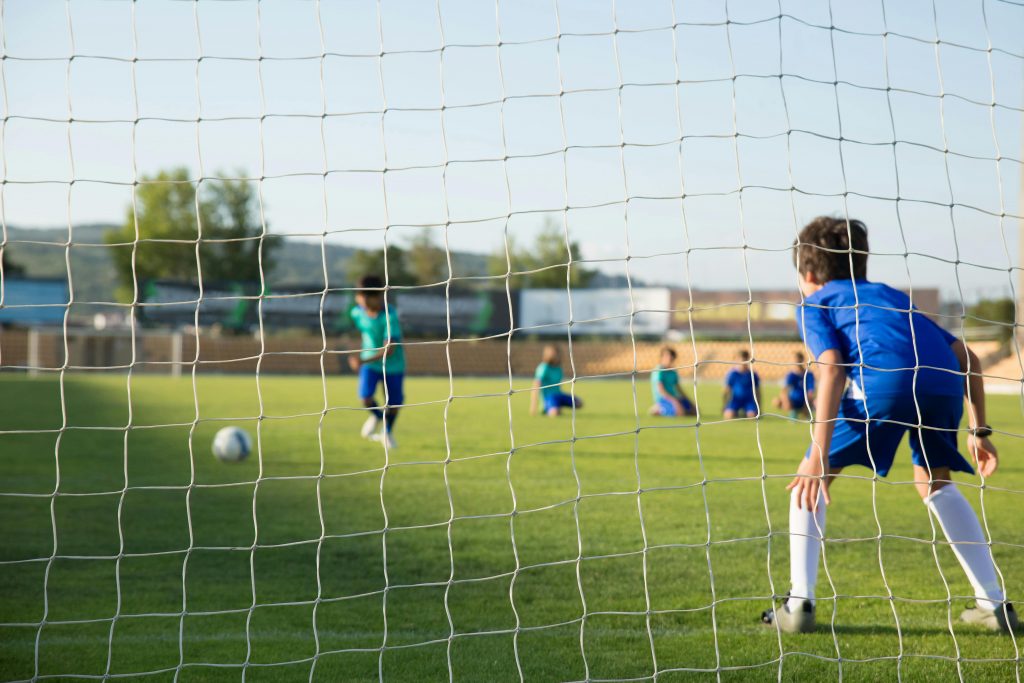
Sports are a cornerstone of private school extracurricular programs. They help children stay physically active, learn discipline, and enjoy friendly competition. Some of the most popular sports include:
- Soccer: Great for teamwork, endurance, and agility.
- Basketball: Enhances coordination and strategic thinking.
- Swimming: Builds strength, stamina, and water safety skills.
- Tennis: Focuses on individual performance and concentration.
- Gymnastics: Improves flexibility, balance, and motor skills.
- Martial Arts: Teaches discipline, self-control, and respect.
- Track and Field: Encourages endurance, speed, and healthy competition.
Private schools often offer specialized coaching, competitive leagues, and state-of-the-art facilities to help kids reach their full potential.
How Do Arts and Creative Programs Benefit Children?
Not every child is drawn to sports, and that’s where arts and creative programs come in. These activities nurture imagination, self-expression, and cognitive development.
Some common options include:
- Music Lessons: Private schools often provide instruments like piano, violin, or guitar, as well as group lessons for band or orchestra.
- Drama and Theater: Students can act, direct, or help with production, building confidence and public speaking skills.
- Visual Arts: Painting, drawing, and sculpture classes enhance creativity and fine motor skills.
- Dance: Ballet, contemporary, or cultural dance programs develop rhythm, coordination, and self-expression.
- Choir and Vocal Training: Singing in groups teaches teamwork, discipline, and emotional expression.
These programs also often culminate in performances or art shows, giving kids a platform to showcase their talents and gain recognition.
What Are the Benefits of STEM-Based Extracurriculars?
In today’s technology-driven world, STEM (Science, Technology, Engineering, Math) activities are increasingly popular in private schools. They help children develop critical thinking, problem-solving skills, and a love for learning.
Popular STEM-based programs include:
- Robotics Clubs: Kids build and program robots, learning engineering and coding principles.
- Coding and Programming Classes: Early exposure to coding languages prepares children for future careers in tech.
- Math Competitions: Encourage logical thinking, strategy, and healthy competition.
- Science Labs and Experiments: Hands-on projects spark curiosity and creativity in scientific exploration.
- Maker Spaces: Provide tools and materials for kids to design, build, and test their own inventions.
STEM activities help children think analytically while fostering teamwork and collaboration, skills that will benefit them both in school and in life.
How Do Language and Cultural Programs Enrich Children’s Learning?
Learning a new language or exploring different cultures is a unique extracurricular opportunity that private schools often provide. These programs foster global awareness and communication skills.
Some options include:
- Foreign Language Clubs: Spanish, French, Mandarin, or Japanese courses expand linguistic abilities.
- Cultural Exchange Programs: Students connect with peers from other countries through virtual or in-person exchanges.
- Cooking and Cultural Workshops: Learning traditional recipes from different cultures helps kids appreciate diversity.
- International Music and Dance Classes: Exploring music or dance from other countries broadens cultural horizons.
Such programs encourage empathy, adaptability, and curiosity—qualities that help children thrive in a global society.
Are Leadership and Service Clubs Offered in Private Schools?
Private schools often emphasize character development alongside academics. Leadership and service-oriented clubs provide students with opportunities to develop responsibility, ethics, and a sense of community.
Examples include:
- Student Government: Children learn decision-making, organization, and leadership.
- Debate Club: Teaches critical thinking, public speaking, and persuasion.
- Community Service Groups: Encourages volunteer work and social responsibility.
- Peer Mentoring Programs: Older students guide younger ones, fostering confidence and empathy.
- Environmental or Sustainability Clubs: Kids engage in projects that promote eco-friendly practices and awareness.
Participation in these activities helps children understand their role in society and build leadership skills that will be valuable throughout their lives.
How Do Private Schools Support Specialized Interests?
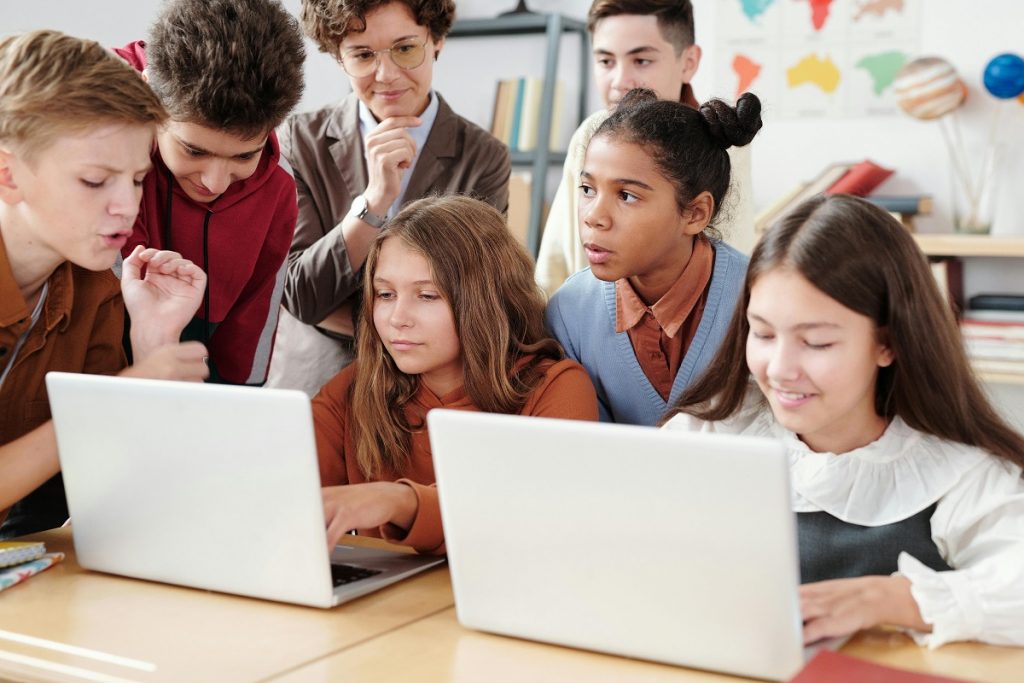
One of the main advantages of private school programs is their ability to cater to specialized interests. Children can explore unique hobbies or passions that might not be offered in other settings.
Specialized programs can include:
- Equestrian Programs: Riding lessons and horse care for children with an interest in equestrian sports.
- Coding and Gaming Clubs: Focused on app development, game design, and digital creativity.
- Chess Clubs: Encourage strategic thinking and patience.
- Culinary Arts Classes: Teach cooking, nutrition, and kitchen safety.
- Photography and Film Clubs: Allow students to explore visual storytelling and media production.
Such programs give children a chance to discover their passions and develop expertise in areas they truly enjoy.
What Makes Early Childhood Programs Unique?
Private schools often provide extracurricular activities for younger children as well. These programs focus on developmentally appropriate skills that build confidence, coordination, and socialization.
Examples include:
- Sports for Preschoolers: Mini soccer, gymnastics, or swimming programs help children develop motor skills and teamwork from an early age.
- Art and Craft Classes: Encourage creativity, fine motor development, and self-expression.
- Music and Movement: Singing, rhythm exercises, and dance help with coordination and auditory development.
- Storytelling and Drama: Promote imagination, language skills, and self-confidence.
Early exposure to extracurricular activities can set the stage for lifelong interests and skills.
How Do Private Schools Encourage Holistic Development?
Private schools typically aim to develop the whole child, not just academics. Their extracurricular offerings often combine physical, intellectual, social, and emotional growth opportunities.
Some ways private schools achieve this include:
- Balanced Schedules: Allow children to participate in multiple activities without overwhelming them.
- Interdisciplinary Programs: Combine arts, STEM, and sports for creative problem-solving and holistic learning.
- Mentorship Opportunities: Students receive guidance from teachers or older peers to help explore their interests.
- Showcases and Competitions: Children gain recognition for achievements, building confidence and motivation.
By providing diverse options and fostering a culture of exploration, private schools help students become well-rounded individuals.
How Can Parents Choose the Right Extracurricular Activities?
With so many options available, parents may wonder how to guide their children toward the best fit. Here are some tips:
- Observe Your Child’s Interests: Notice what excites and engages them naturally.
- Consider Developmental Benefits: Look for activities that promote growth in areas your child may need support.
- Balance Academics and Activities: Avoid overloading children with too many commitments.
- Seek Quality Instruction: Private schools often have expert instructors—ensure the program matches your child’s level.
- Encourage Exploration: Allow children to try multiple activities before committing to one long-term.
Helping children explore a variety of extracurriculars ensures they develop a wide range of skills and discover what they are truly passionate about.
Can Extracurricular Activities Improve Academic Performance?
Research suggests that children who participate in extracurricular activities often perform better academically. Here’s why:
- Improved Focus: Skills learned in structured activities can translate to better concentration in class.
- Time Management: Juggling academics and activities teaches planning and prioritization.
- Stress Relief: Physical or creative outlets reduce stress, improving mental health and readiness to learn.
- Enhanced Cognitive Skills: Activities like chess, music, or coding stimulate critical thinking and problem-solving.
Private schools often track academic and extracurricular balance to ensure students benefit from both without feeling overwhelmed.
How Do Extracurricular Activities Build Lifelong Skills?
Participation in private school extracurricular programs doesn’t just have short-term benefits—it can shape a child’s future. Key lifelong skills include:
- Leadership and Initiative: Through clubs, sports, or service programs.
- Teamwork and Collaboration: Learning to work with others toward a common goal.
- Resilience and Adaptability: Handling challenges, losses, or setbacks builds perseverance.
- Creativity and Innovation: Expressing ideas in arts, STEM, or problem-solving activities.
- Communication Skills: Public speaking, presentations, and group discussions foster confidence and clarity.
These skills are valuable well beyond school, influencing college, career, and personal growth.
Are There Unique Extracurricular Opportunities in Private Schools?
Private schools often go beyond conventional offerings to create unique programs. Some examples include:
- Adventure and Outdoor Education: Hiking, camping, and environmental projects promote physical fitness and eco-consciousness.
- Entrepreneurship Clubs: Kids learn to create, market, and manage small business projects.
- Media and Journalism Programs: Students write, edit, and produce school newspapers, blogs, or podcasts.
- Advanced STEM Challenges: Competitions in robotics, coding, or engineering design foster problem-solving.
- Cultural Immersion Programs: Traveling or virtual exchanges with international schools to broaden worldviews.
These exclusive programs allow children to explore interests beyond the ordinary and gain experiences that may influence future career paths.
How Can Parents Encourage Consistent Participation?
Consistency is key to reaping the full benefits of extracurricular activities. Parents can support children by:
- Creating a Routine: Set a schedule that balances schoolwork, play, and activities.
- Showing Interest: Attend performances, games, or exhibitions to demonstrate support.
- Encouraging Reflection: Ask children about what they enjoyed and learned.
- Offering Positive Reinforcement: Celebrate achievements, milestones, and progress.
- Being Flexible: Let children explore new activities without pressure if interests change.
Supporting participation helps children develop discipline, commitment, and a sense of responsibility while keeping activities enjoyable.
Closing Thoughts
Extracurricular activities for kids in private school programs offer far more than entertainment—they are vital for holistic development, academic success, and social growth. From sports and arts to STEM, leadership, and unique interest programs, private schools provide children with the tools and opportunities to explore, excel, and discover themselves.
Choosing the right activities involves observing your child’s interests, balancing commitments, and encouraging exploration. By supporting participation in diverse programs, parents can help their children develop skills, confidence, and experiences that last a lifetime.
Investing time in extracurricular activities isn’t just about keeping kids busy—it’s about giving them the foundation for success, fulfillment, and a love of learning that extends far beyond the classroom.