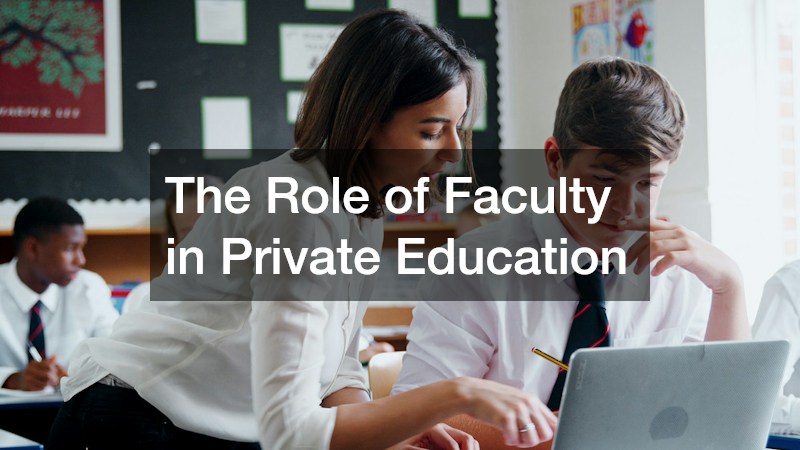
The Role of Faculty in Private Education
Highlights
- Faculty as Core Architects: Faculty at a top private high school and other top private institutions actively design interdisciplinary, student-centered curricula that go beyond standard academic frameworks.
- Holistic Student Mentorship: Beyond classroom teaching, faculty members provide personalized guidance, extracurricular leadership, and emotional support to foster comprehensive personal development.
- Driving Educational Innovation: Private school educators lead pedagogical research, incorporate modern technology, and pioneer interactive methods like flipped classrooms to prepare students for real-world challenges.
The private education sector plays a vital role in the broader educational landscape, known for its unique educational philosophies, rigorous standards, and tailored learning experiences. According to the Learning Policy Institute, approximately 29,727 private schools educate 4.7 million (less than 9%) of the nation’s students.
At the heart of this success are the faculty members who craft and execute these philosophies day in and day out. Serving as the cornerstone of the learning experience, teachers in a private high school balance multiple roles, from curriculum design and pedagogical research to personalized mentorship, creating an environment where students genuinely thrive.
At private high schools, faculty dedication transforms educational theory into real-world student achievement. By exploring the multifaceted roles educators play, parents and prospective families can better appreciate how passionate faculty members foster innovative, student-centered environments that prepare young adults for future success.
Fun Fact Did you know? Small class sizes in private education allow faculty members to spend up to 50% more one-on-one time with individual students compared to average public school settings, significantly boosting academic engagement.
Educational Philosophy and Curriculum Design
The development of curricula in private education involves faculty members crafting syllabi and course content that directly reflect their institution’s unique vision. Faculty are tasked with aligning learning objectives with core values, ensuring that high educational principles are practically implemented in every lesson. Drawing from deep subject matter expertise, teachers at a private high school continually refine classroom content to maintain rigorous academic standards.
Faculty exert a profound impact on curriculum development through three key avenues: integrating interdisciplinary studies to provide meaningful real-world context, adopting modern educational technology to enhance digital literacy, and maintaining continuous alignment to ensure top academic standards across all grade levels.
Faculty are frequently involved in coordinating interdisciplinary programs, weaving distinct subject areas into cohesive learning experiences that prepare students for complex, real-world issues. Breaking down academic silos requires a collaborative approach, with teachers working across departments to build a unified curriculum that connects foundational pedagogy with high academic standards, advanced tech integration, and student-centered outcomes.
Adapting to emerging trends is another essential responsibility. As modern teaching methods and technological tools evolve, faculty integrate these tools into their daily instruction. According to the U.S. Department of Education, independent and private institutions maintain significant autonomy in curriculum design, allowing teachers to adapt rapidly to modern workforce needs. By embedding digital tools into instruction, teachers at private high schools enhance student engagement, foster collaboration, and enable personalized learning pathways.
Student Engagement and Holistic Mentorship
Faculty involvement in student life extends far beyond traditional lectures; it encompasses creating environments that support the total development of students. Teachers serve as trusted mentors, offering individual advice and guiding students through critical academic transitions, college planning, and career exploration.
Fun Fact Did you know? Over 80% of private school teachers also coach sports teams, direct arts programs, or lead student clubs, creating strong mentorship bonds that extend past the traditional classroom setting.
Engaging students requires faculty to encourage active participation in extracurricular activities. Faculty-led clubs, STEM competitions, and community service initiatives offer new avenues for growth:
- Social & Leadership Skills: Working in teams outside the classroom builds real-world confidence and decision-making capabilities.
- Tailored Interests: Specialized clubs allow students to explore niche passions, from robotics to debate.
- Emotional Well-being: Teachers act as supportive guides, helping identify student stress early and fostering a healthy balance between academics and personal life.
Regular performance feedback and open communication ensure that students receive constructive support. Furthermore, proactive collaboration with parents builds a unified support system extending seamlessly from school to home.
Pedagogical Research and Classroom Innovation
Contributions to educational research by faculty members ripple throughout the academic community. Faculty leverage their subject expertise to explore innovative teaching methods that directly enhance learning outcomes.
Educators actively implement several key teaching strategies to maximize classroom effectiveness. Flipped classrooms maximize active, in-class problem-solving by moving lectures online. Problem-based learning develops critical real-world reasoning through hands-on case studies. Meanwhile, collaborative research encourages interdisciplinary creative thinking across different scientific and humanities departments.
Innovation in teaching is vital for responsive learning. Faculty members at a top-tier private high school frequently experiment with dynamic instructional techniques:
- Flipped Classrooms: Students review foundational materials independently at home, reserving classroom hours for collaborative exercises, active debate, and targeted problem-solving.
- Problem-Based Learning: Real-world scenarios serve as the primary teaching tool, prompting students to analyze data, evaluate evidence, and develop practical solutions.
- Interdisciplinary Research: Collaborative projects between humanities and science departments prompt students to approach global issues from multiple perspectives.
By continually refining their methods, educators ensure that students do not merely memorize facts, but master the critical thinking required for higher education and modern careers. According to the National Association of Independent Schools, research emphasizes that teacher-led innovation remains a major differentiator in student achievement.
Community Building and Institutional Governance
Private educational institutions rely heavily on faculty for governance and strategic direction. Teachers serve on committees that shape school policies, maintain academic integrity, and direct strategic growth. Their frontline experience guarantees that administrative decisions remain focused on student needs.
Faculty engagement seamlessly bridges administrative governance and broader community connections. Through internal committees, teachers directly influence institutional policy and academic curricula. Externally, they nurture long-term alumni relations that open up networking opportunities, while leading local community outreach programs that cultivate social responsibility among students.
Faculty members also drive alumni relations and outreach projects. Maintaining long-term relationships with graduates creates valuable networking opportunities, mentorship programs, and career placement guidance for current students at a private high school. Furthermore, faculty-led community service initiatives instill civic responsibility and social awareness in the student body.
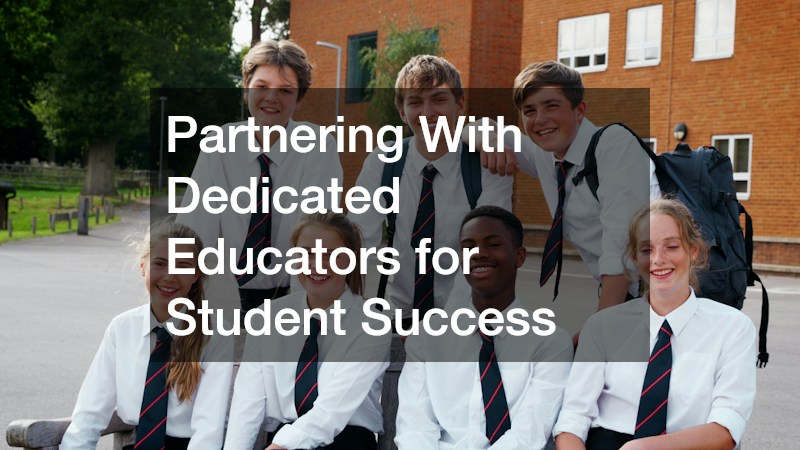
Partnering With Dedicated Educators for Student Success
Faculty members in private education embody dynamic roles that directly shape academic quality, school culture, and student outcomes. Through curriculum design, personal mentorship, research, and institutional leadership, dedicated teachers empower young people to reach their full potential.
At a private high school, their passionate faculty are committed to nurturing intellectual curiosity, character, and academic excellence in every student. Discover how their dedicated educators make the difference in your child’s future by exploring their programs today, and call your local private high school today.
Frequently Asked Questions
How do faculty qualifications at a private high school differ from other schools?
Faculty at a private high school often hold advanced degrees (Master’s or Ph.D.s) in their specific subject areas. This deep expertise allows them to teach advanced, specialized courses and provide university-level mentorship tailored to student goals.
How do private school teachers support individual student learning styles?
Due to smaller class sizes, teachers can customize lesson plans, offer individual office hours, and utilize adaptive learning technologies to support each student’s unique learning pace and style.
What role do faculty members play in the college application process?
Faculty members serve as crucial mentors during the college application process. They write detailed, personalized letters of recommendation, guide specialized research or portfolio projects, and provide targeted academic counseling.